
For nearly 50 years, environmental consultant Steven H. Lumbert navigated Florida’s regulatory world, often witnessing land cleared, habitats fragmented, and natural character treated as an obstacle. Lazy Tortoise Ranch was originally acquired to restore habitat for gopher tortoises, with a backup plan to divide the land into large five-acre lots if needed.
Then came Hurricanes Idalia, Debby, and Helene, severely damaging the landscape and setting back restoration work. Instead of giving up and dividing the ranch into standard large lots—which would destroy its character—the available residential density was compressed into smaller, clustered homesites on a limited portion of the property.
"I spent my professional life trying to find better ways to do this. For years, the idea fell on deaf ears. This time, it looks like the idea may finally stick."
— Steven H. Lumbert
A small residential community being built in direct relationship with a massive, preserved conservation landscape.

RV-friendly lots designed tightly together to minimize the footprint on the surrounding wild spaces.
A protected landscape composed of old Florida woods, native longleaf pine habitat, and wildlife corridors.

A historic, natural creek that flows directly through the ranch, carrying ecological value out toward the Gulf.

Situated right next to the massive Big Bend Wildlife Management Area and the Big Bend Aquatic Seagrass Preserve.
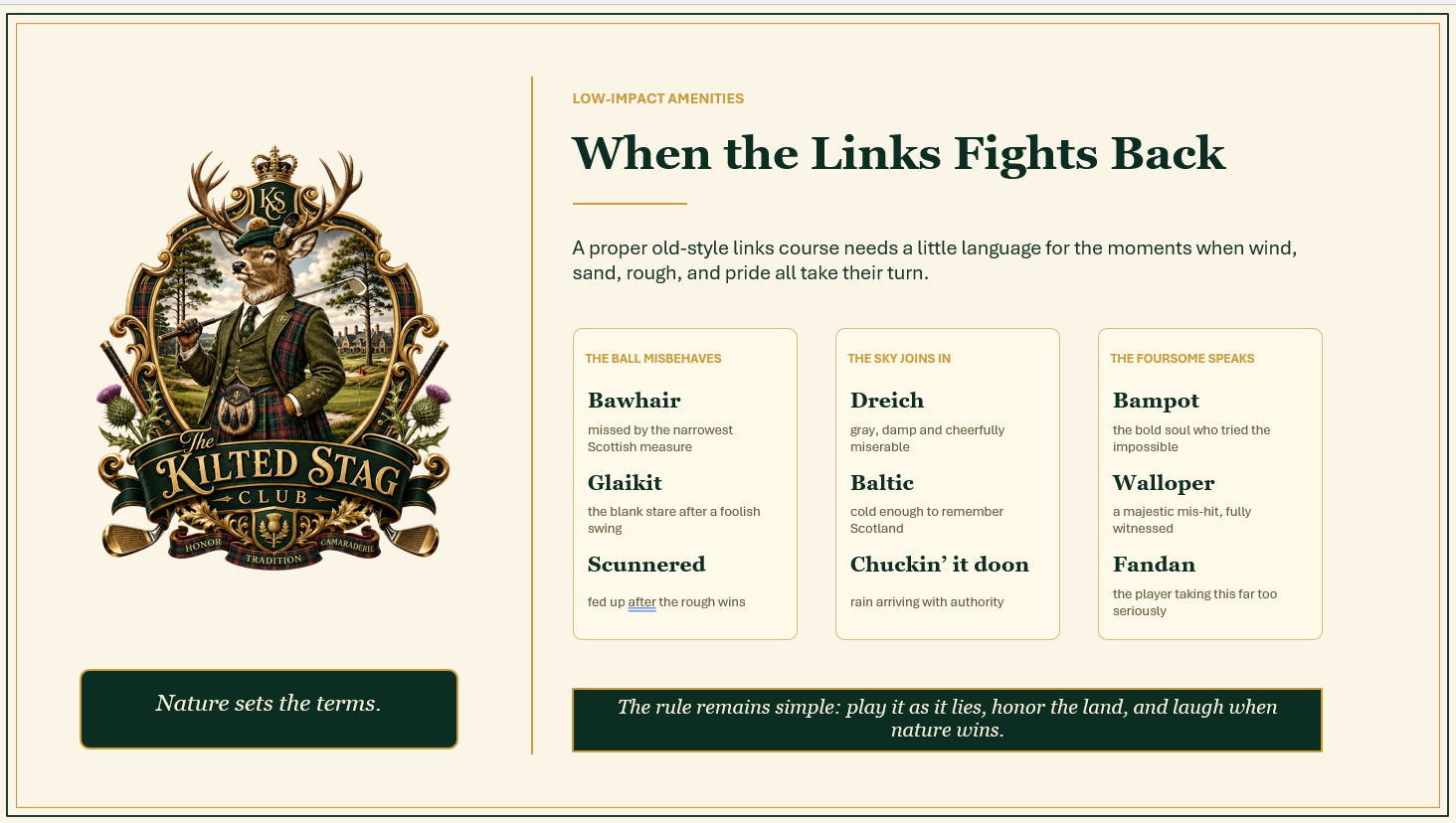
The community features an old-style Scottish links-inspired golf course—but not the manicured, high-chemical version familiar to suburban developments. Designed as part of the natural setting, the course reads closer to a walk through a nature preserve. The rough remains rough, and wildlife is invited to play along rather than move aside.
Every homesite carries its own narrative. To tie individual spaces into the shared identity of the Cove, each lot owner can receive a custom-branded logo for their entrance reflecting their unique lifestyle, passions, or family identity—whether celebrating fishing, music, camping, or birdwatching.
In books like An Old Man’s Mirror, Out of Know Where, and It’s the Small Things, Lazy Tortoise Ranch becomes a living setting where characters learn that caring for a place gives back meaning and purpose. The storytelling isn’t separate from the development; it is how people come to know, defend, and love the refuge.

Strings & Swings Fishing & Golf Tournament

Jazzy Tortoise Forum
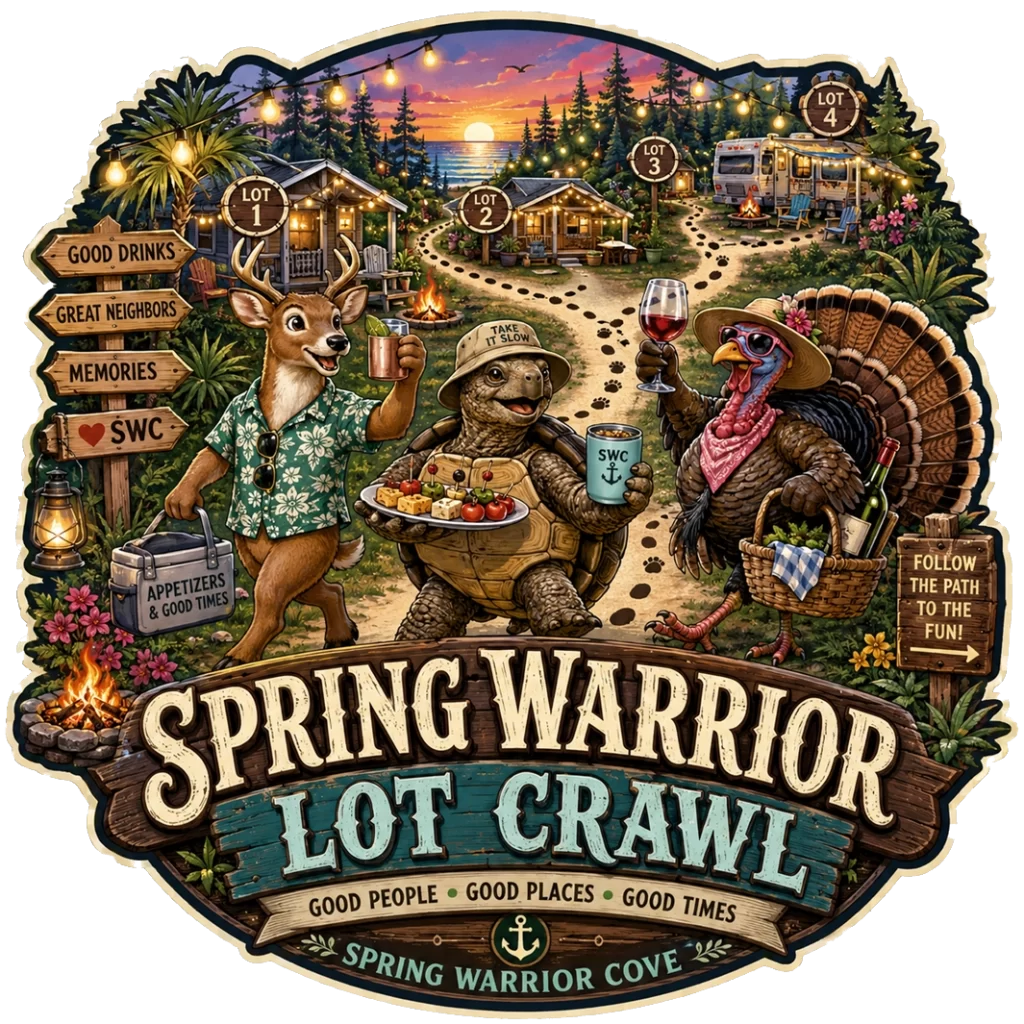
Spring Warrior Lot Crawl
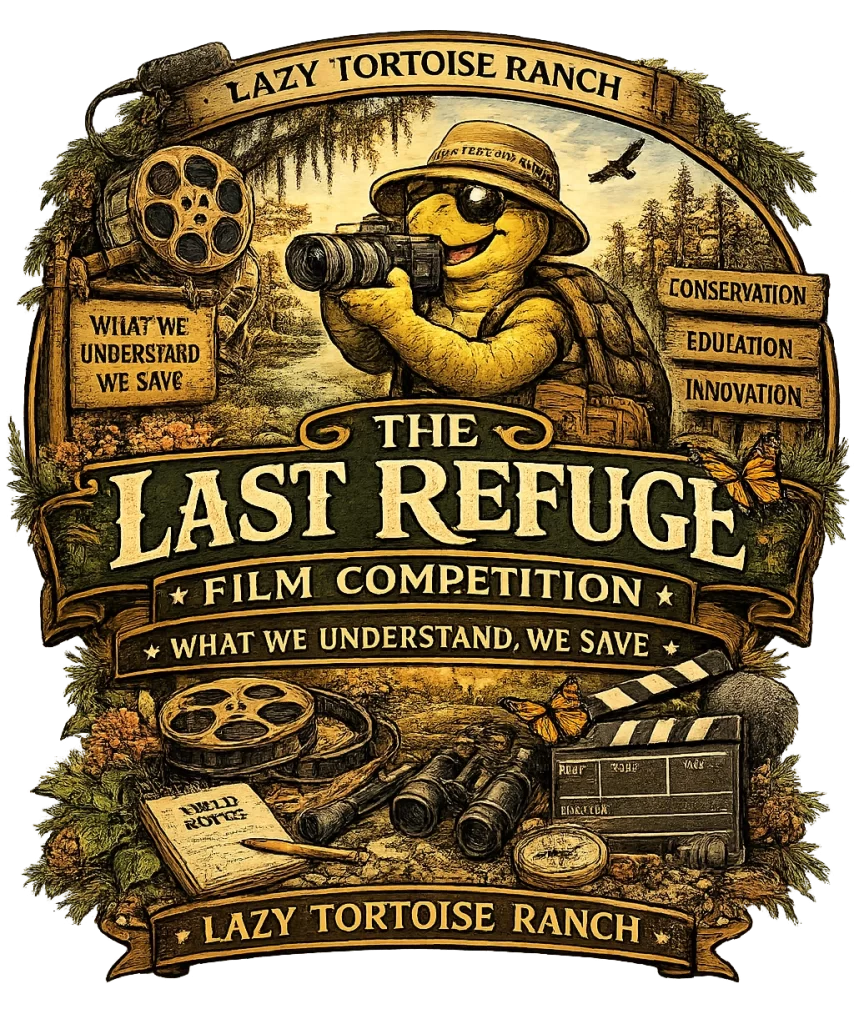
Last Refuge Film Competition
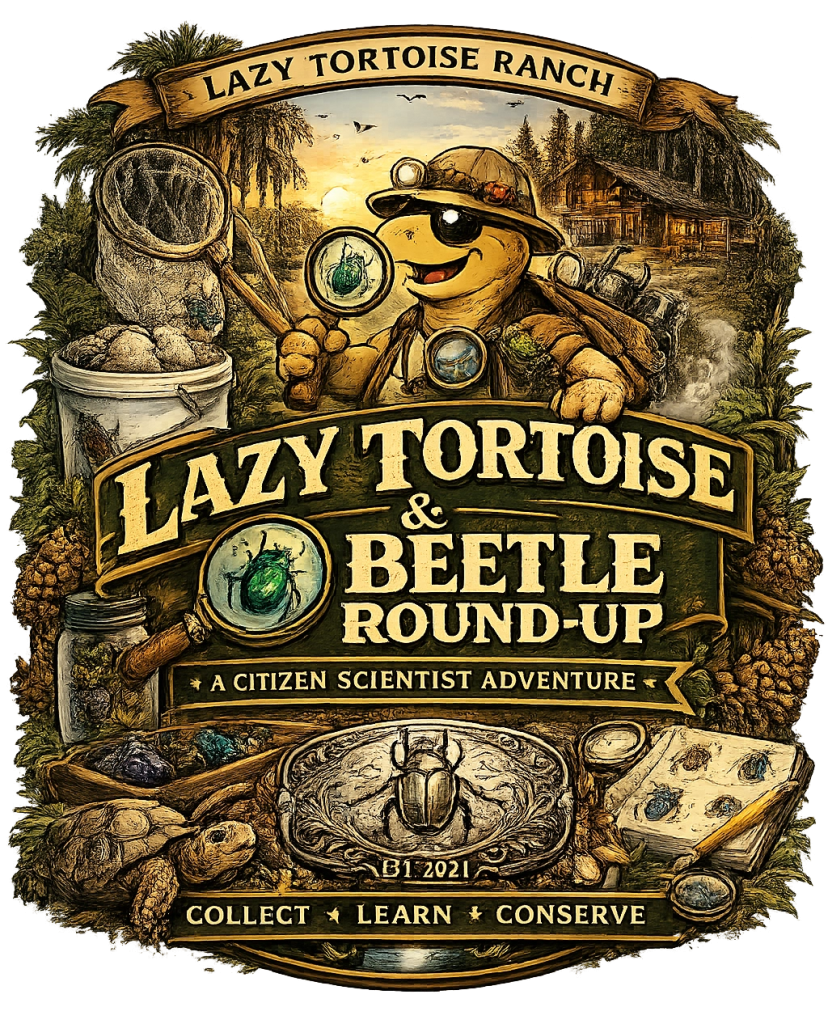
Lazy Tortoise & Beetle Round-Up
"The conservation easement is the promise. It tells the land, the wildlife, the homeowners, and the next generation that the refuge is not just a temporary amenity. It is the reason this community exists."
— Steven H. Lumbert
Restoration is central to the project. More than 60,000 longleaf pines are being planted to rebuild the ecological character of the ranch alongside milkweed planting to support monarch butterflies.
Spring Warrior Cove serves as an argument that profit and stewardship do not have to be enemies. It proves that people can live near wildlife without pushing it away, and that a small community can help protect a larger landscape for generations to come.